




Stories of how our objects come to be
Provenance
The Husk Collection
Most people never think about the box. We have never been able to stop.
Before the jewellery is seen, before anything is unwrapped, the box is already in your hands. And your hands already know. They know whether someone rushed this, whether the weight is right, whether the thing you are holding was made by people who cared about this specific moment — the one happening right now, between you and this object, before a single word is read. We wanted that moment to feel like being thought of. So we followed that feeling all the way through, past the point where most people stop, into the part that no one is supposed to notice. The Husk Collection is what lives there. Every edition made from material the world had already finished with — cocoa shells, olive pomace, cherry pits — folded back into paper, built into a box that opens at exactly the speed we wanted something from us to open. Slow enough to feel like it means something. Quiet enough to feel like it was made for you specifically, and no one else. We are the kind of people who cannot do it any other way. And when you keep the box long after the occasion that brought it to you, you are keeping the proof of that. Not packaging. The full weight of people who saw the whole thing through.
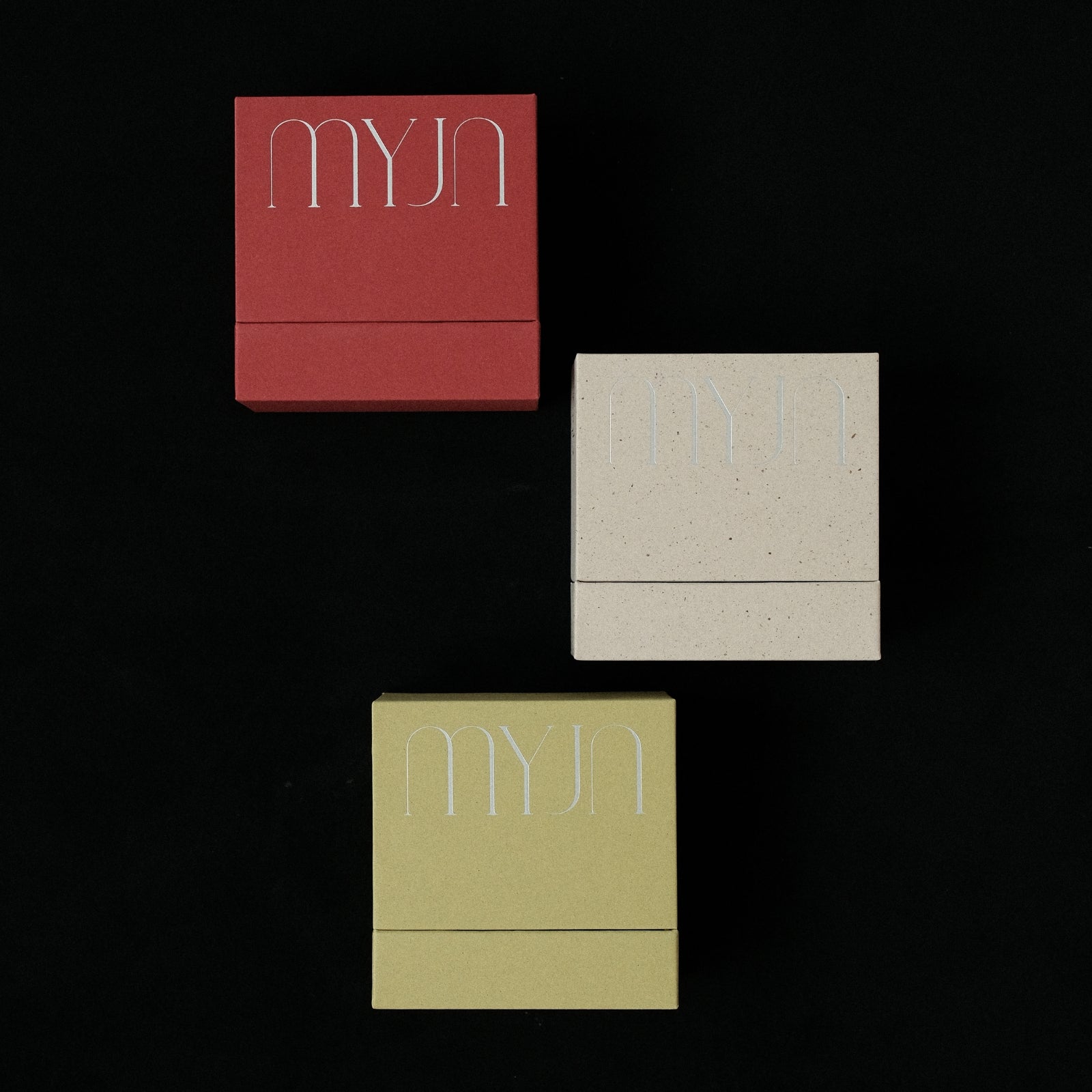
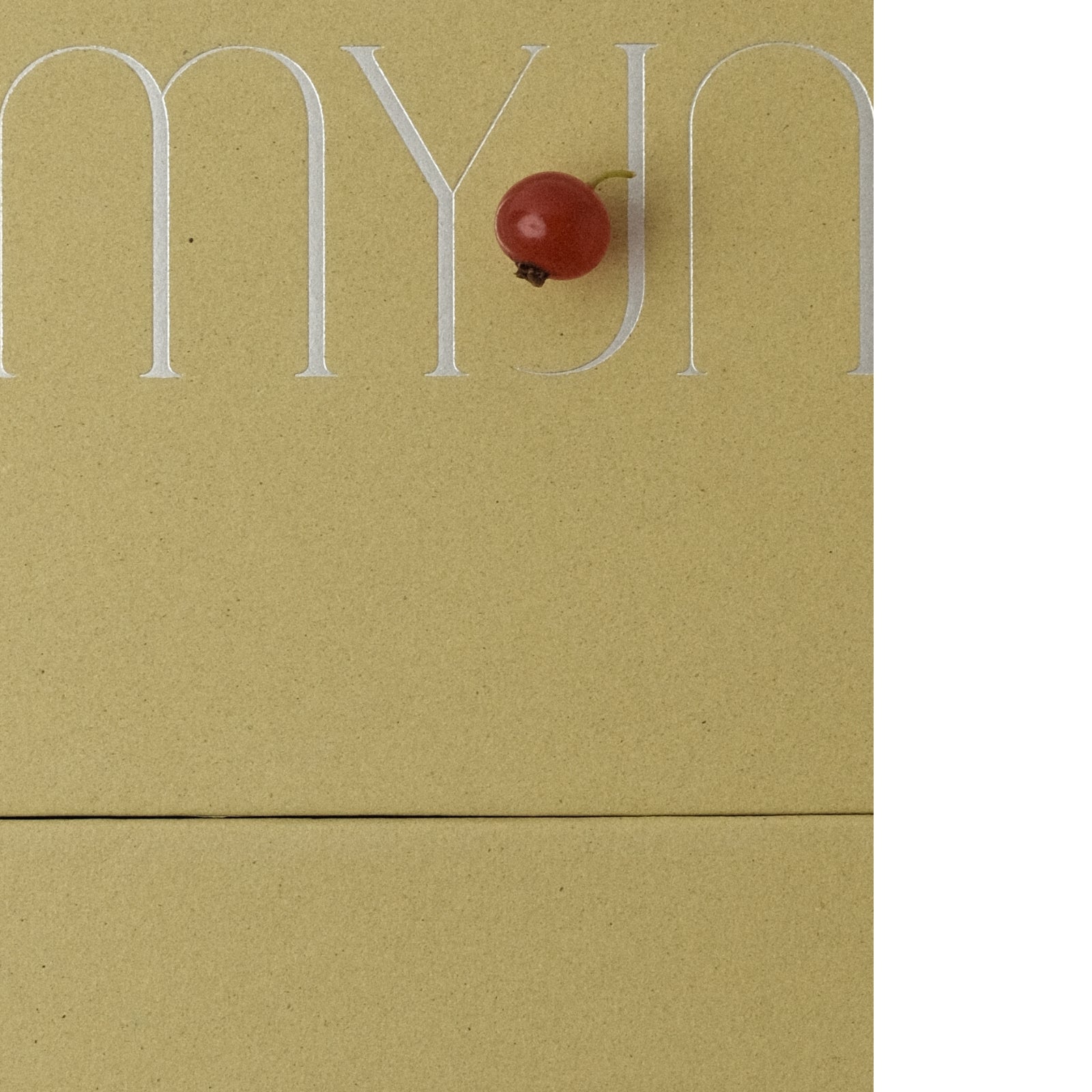
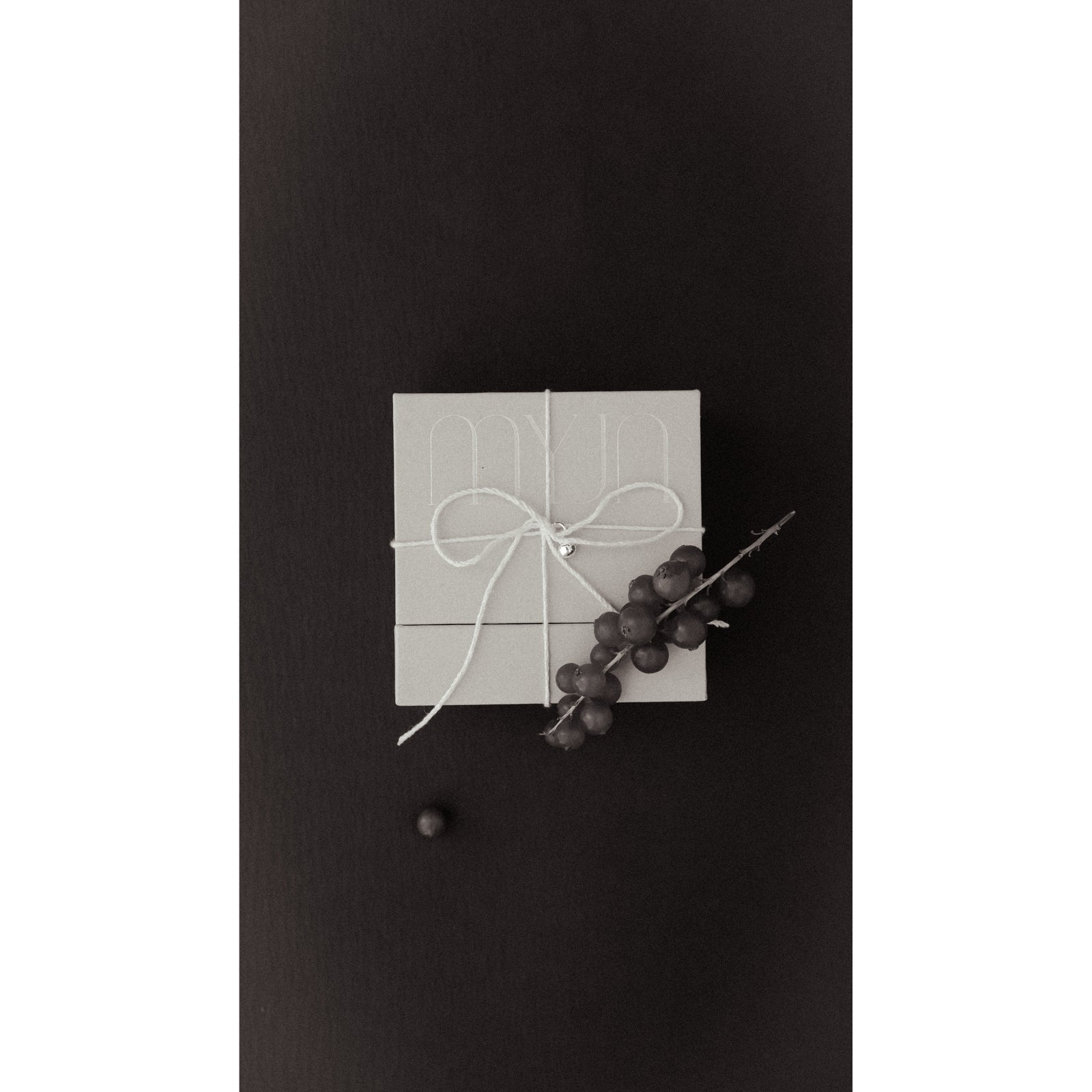
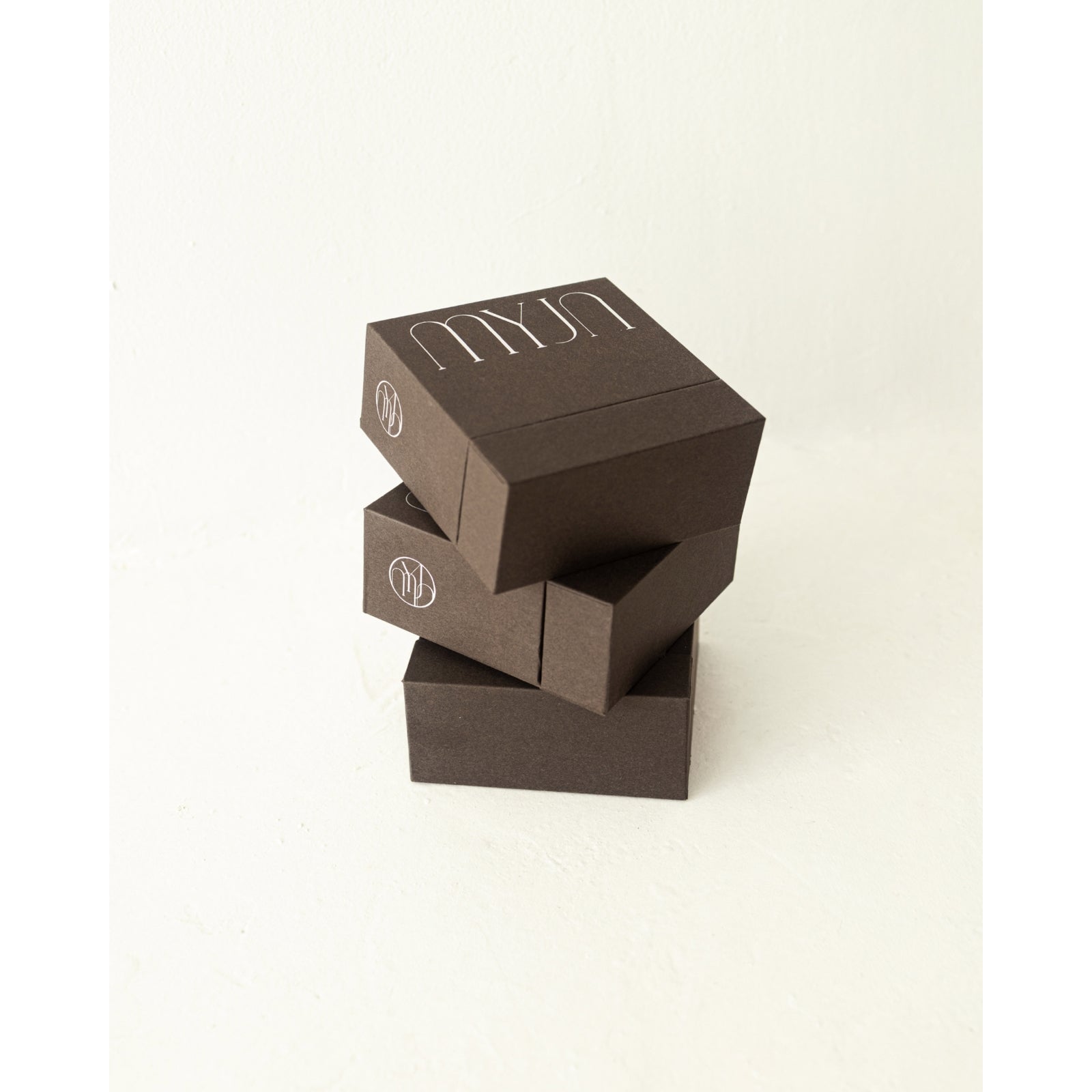
The Cacao Edition Box is made from paper containing upcycled cocoa bean husks. The warmth in the tone, the dark speckles spread across the surface — those are not printed. That is the husk, held inside the sheet itself.
Cacao begins where chocolate becomes smooth.
The bean is processed, and in that process the shell comes away — a thin, papery skin that spent its whole existence protecting what grew inside it, and then is simply removed. It does not end up in the bar. It does not get a mention. In most facilities it is composted or burned or quietly disposed of, and the industry moves on.
We kept thinking about that shell. Something that worked without recognition, that carried so much of the original plant's texture and life, and then disappeared the moment it was no longer needed.
Those husks are collected, dried, milled down into fine powder, and blended back into paper pulp. Part of the virgin tree fibre is replaced by what was almost lost. The result is a sheet that is warm before you can say why — brown and soft-toned, with speckles sitting inside the paper rather than printed across its surface. You are not looking at an image of a material. You are looking at the material.
When we built our drawer box from it, the paper changed the way the box felt to open.
Our older boxes used smooth card. They slid open quickly, almost too quickly, with a lightness that felt efficient but not felt. The cacao paper has grain. That grain creates resistance — not friction in the frustrating sense, but the kind of resistance that makes something feel held rather than released. The drawer slows by half a second, and in that half second something happens. The mind catches up to the hands. You are present for the opening.
We tested it for a long time. On desks in the middle of the day. Next to lamps late at night. Pressed against the suede of our pouches to see how the surfaces read against each other. Stacked on studio shelves and unstacked and opened again until the motion became unconscious. That is the threshold we were after: the moment a gesture stops being practiced and becomes natural.
The wordmark is pressed into the lid, not printed on top of it. You see the form first. The texture. The speckles. The brand is something you find on closer looking, the way you find a signature when you already love the painting.
We made the Cacao Edition to stay on your desk after the jewellery has been put on and you have walked out the door. To hold a ring while you wash your hands. To collect the small things with no better place to go. The box becomes yours through use, and the more it is used the more it belongs. The story that started in a processing facility somewhere warm and loud continues, quietly, wherever you keep it.
The Olive Edition Box is made from paper containing olive pomace fibres, the dry residue left after the oil has been fully pressed out. The warm tone and visible speckles are the material itself, not a finish applied over it.
Some stories begin in a factory. This one begins before that, in an olive grove, with fruit that has been growing for the better part of a year.
After harvest, the olives are crushed into paste and the oil is separated out. What remains is everything else: peel, pulp, fragments of stone. Heavy and dark and completely spent. It has already given what it came to give. Even a second pressing takes what little remains, and after that the residue sits, dry and fibrous, at the end of a long process that never had it in mind.
We collected it from there.
That material is dried, milled, and blended into paper pulp in place of fresh tree fibre. The sheet it becomes does not look like something manufactured. It looks like something that came from somewhere. Warm in tone, slightly irregular in texture, with a surface you can feel the weight of when you press a thumb against it. Not rough. Present.
We designed the box to match what the paper already knew. Restrained, proportioned, without ornament or hardware. A low drawer with a clean seam through the middle. It does not try to draw attention. It sits and makes sense in a way that good objects do, objects that were thought about rather than produced.
On a shelf it settles in. On a bedside table it becomes part of the room. People have told us they forgot the box came with something inside it, because by the time they thought to mention it, the box had already become part of how they kept their things.
Olive pomace has already been through a great deal by the time we receive it. We try to honour that by making something worthy of a second life. Something that does not just survive handling but gets better for it. The scuffs and fingerprints that build up on olive paper over time are not wear. They are a record of the life the box has been part of.
A grove, carried forward.
The Cherry Edition Box is made from paper containing cherry pit by-products. The deep red comes from the material itself. The flecks visible across the surface are fragments of the stone.
Cherries have the shortest season of anything we know.
They come in a rush and are gone before you have quite adjusted to them. From orchard to kitchen in days, from fresh fruit into preserves and fillings and things that last longer than the season that produced them. And in that process, the pits are separated out and set aside. There is no obvious use for them. They have done what they were there to do.
The pits are collected, dried, milled, and folded back into papermaking, replacing part of the fresh tree fibre that would otherwise be used. A remnant given new structure. A brief season given a longer one.
The paper that results is red in a way that feels earned rather than selected. Not glossy, not insisting on itself. A tone that has depth and variation, that reads differently depending on the light and the hour and what it is sitting next to. In low light it goes deep and quiet, close to burgundy. When the sun is on it directly, something in it opens up. The colour has memory in it, the way things do when they came from a living source.
We chose it because of what red does before it does anything else. Before it is associated with any season or occasion or commercial moment, red is something the body responds to. It carries weight. It means something has happened, or is about to. But we did not want a red that belonged only to an occasion. We wanted one that would still feel right on a desk in six months, when the moment it arrived with has become a quiet memory.
So the form stayed simple. The drawer is low. The wordmark runs the full width of the lid, long and unadorned. One seam through the middle. On a desk it reads like an object rather than a container, which is what we were after.
The surface has enough body that the drawer opens with measured resistance. Controlled, smooth, satisfying in the specific way that a well-made thing in your hands is satisfying. You notice it the first few times. Then you stop noticing it and simply do it. Then one day you do it without needing anything from the box and you understand that it has become a small habit, a moment that belongs to the rhythm of your day.
We did not design the Cherry Edition for the moment of receiving. We designed it for every morning after that, when you reach for it without thinking, and some part of you is glad it is there.
The Espresso Edition Box is made from paper containing coffee silverskin, the thin membrane that separates from the bean during roasting. The deep, near-black brown tone and the fine flecks you see across the surface are the silverskin itself, held inside the sheet.
Coffee is one of the most consumed things in the world and one of the least finished. The bean goes through harvest, washing, drying, roasting, grinding, and brewing — a long, exacting chain of handling — and at almost every stage something is left behind. The silverskin is what separates from the bean the moment the heat hits it. A thin papery membrane, darker than what it came from, shed in the roaster before the bean is ground and sent out to the world. It has been through the most transformative part of the whole process and gets none of the credit.
The silverskin is collected, micronised into fine powder, and blended back into paper pulp, replacing part of the virgin tree fibre that would otherwise be used. The paper it becomes is dark in a way that has earned it — a brown that sits just at the edge of black, the colour of an espresso pulled correctly, the colour of early mornings and the kind of focus that comes before the rest of the day has a chance to complicate things.
We chose it for that reason. Coffee is not a luxury people buy. It is a ritual people return to, every single day, without needing to think about why. It is the thing that marks the start of something. The quiet anchor before everything else begins to move.
The Espresso Box carries that feeling. Serious without being heavy. Grounded without closing in. On a desk it reads like an object that has a purpose, the way a well-made notebook does, or a pen you never want to lose. The drawer opens the same way the others do — with just enough resistance to make the motion feel deliberate, to give the hand a second to register what it is reaching for.
We built this edition for the person who keeps things close because they mean something. For the morning ring, the piece worn so often it has become invisible in the best way, the thing you put on without looking because it has already become part of how you move through the world.
The Espresso Box is for the everyday that turns out, looking back, to have been everything.