

箱書
Provenance
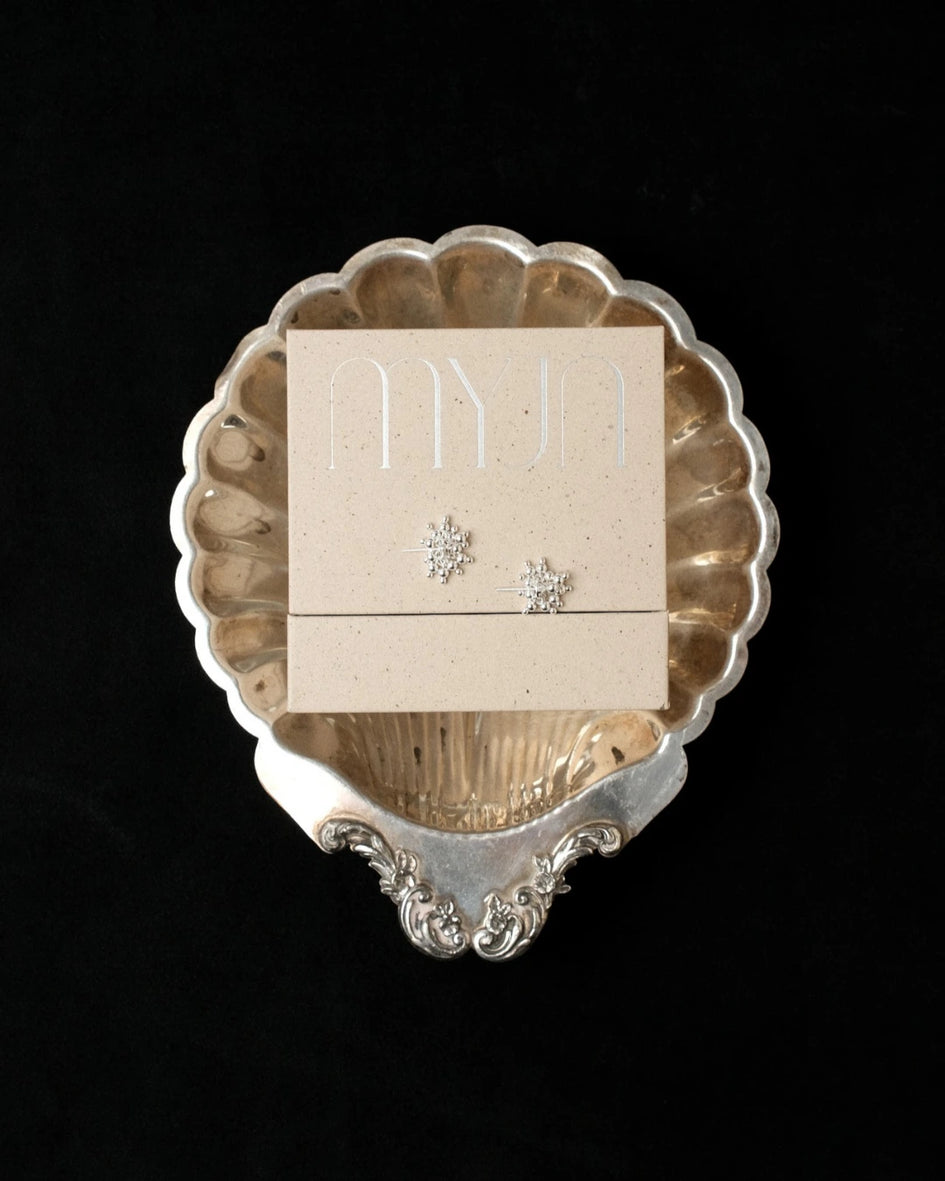
The box arrives with every parcel. It was made to be kept.
Most people never think about the box. We have never been able to stop.
Before anything is unwrapped, the box is already in your hands, and your hands already know. They know whether someone rushed this, whether the weight is right, whether the thing you are holding was made by people who cared about this one moment, before a single word is read. The house wanted that moment to feel like being thought of. So it followed the feeling past the point where most people stop, into the part no one is supposed to notice.
The half second
The first boxes were smooth card. The drawer slid open a little too freely, with a lightness that was efficient and nothing more. We wanted resistance in the movement while keeping it easy to open, so we tried paper weights and constructions. Some drawers dragged. Others slipped. We opened them full and empty, stacked the boxes, opened them again, until the motion stopped being practised and became natural. Colour needed its own attention: papers in daylight and under lamps, beside the pouches and against skin. A sheet could be beautiful on its own and still be wrong for what it would accompany. The Husk paper has grain, and grain gives the kind of resistance that makes a thing feel held rather than released. The drawer slows by half a second, and in that half second the mind catches up to the hands. You are present for the opening. That is the whole design.
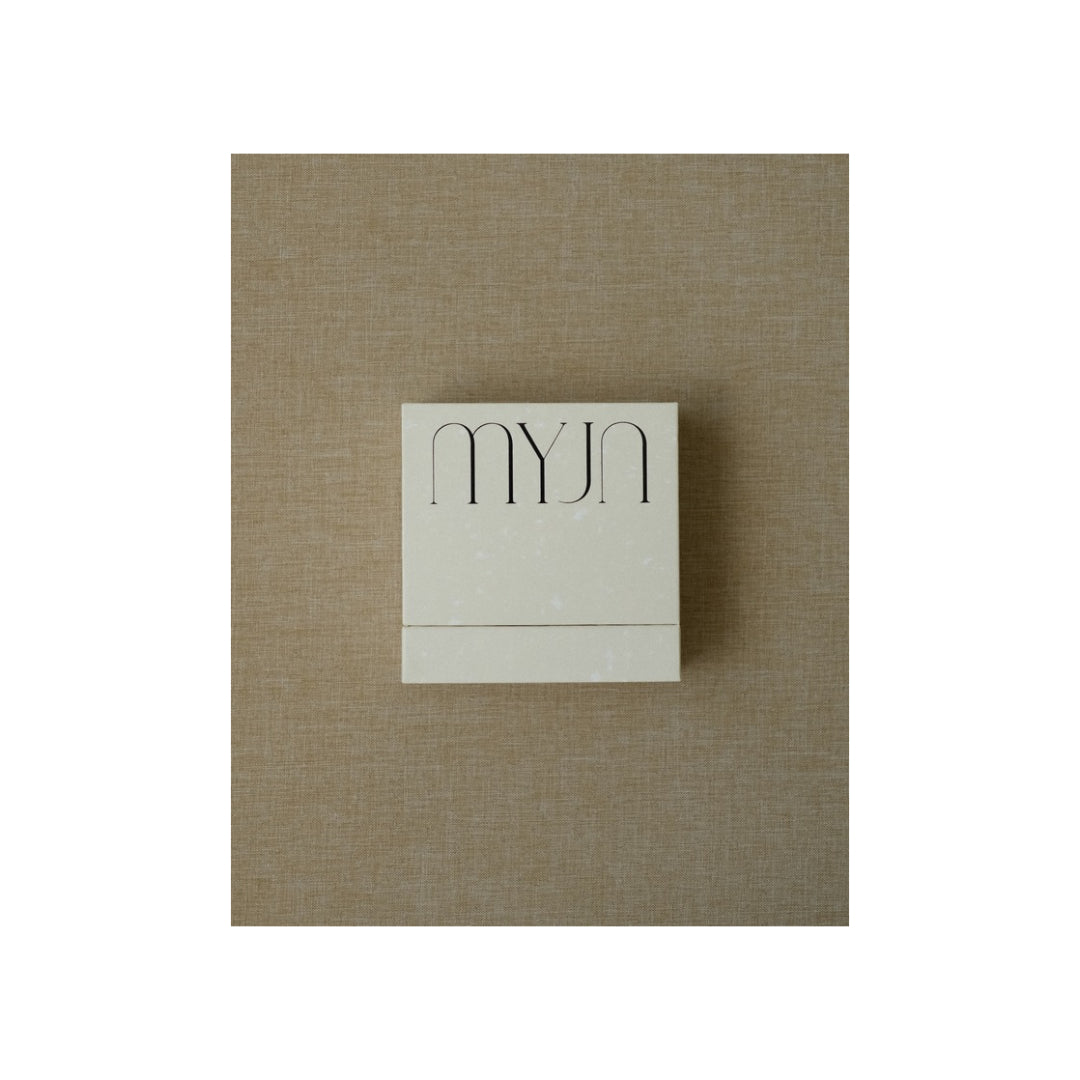
The Husk Collection, in the order they came
Every edition is made of a paper in which something a harvest threw away replaces part of the wood pulp, about fifteen percent of the sheet.
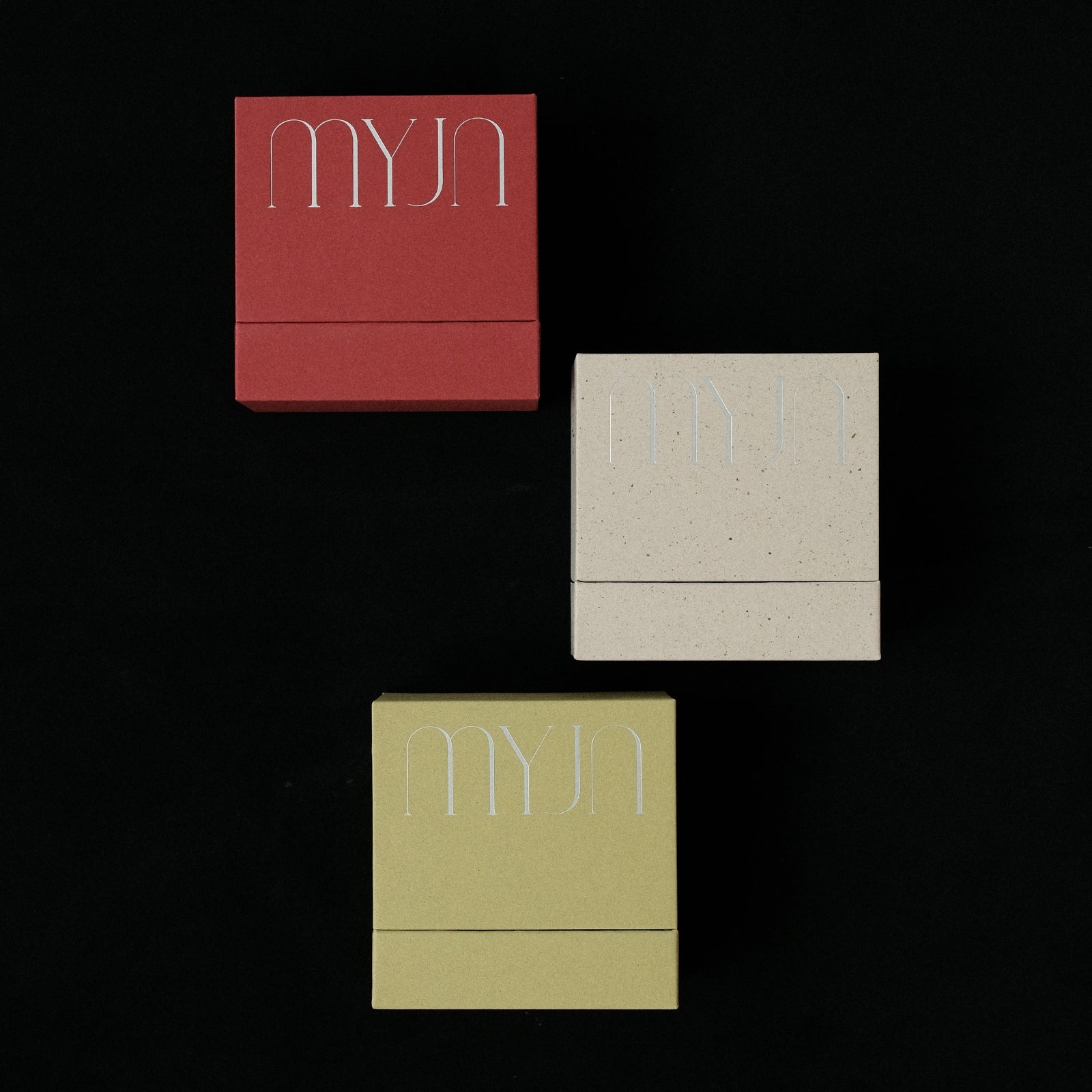
The flecks are not printed. They are the husk, held inside the paper, and a thumb across the lid will find them. Each edition is named for its harvest, and each came with a season of the house. All of them take the same form, the low drawer with one clean seam and the wordmark long across the lid, so that the paper is the only thing that changes.
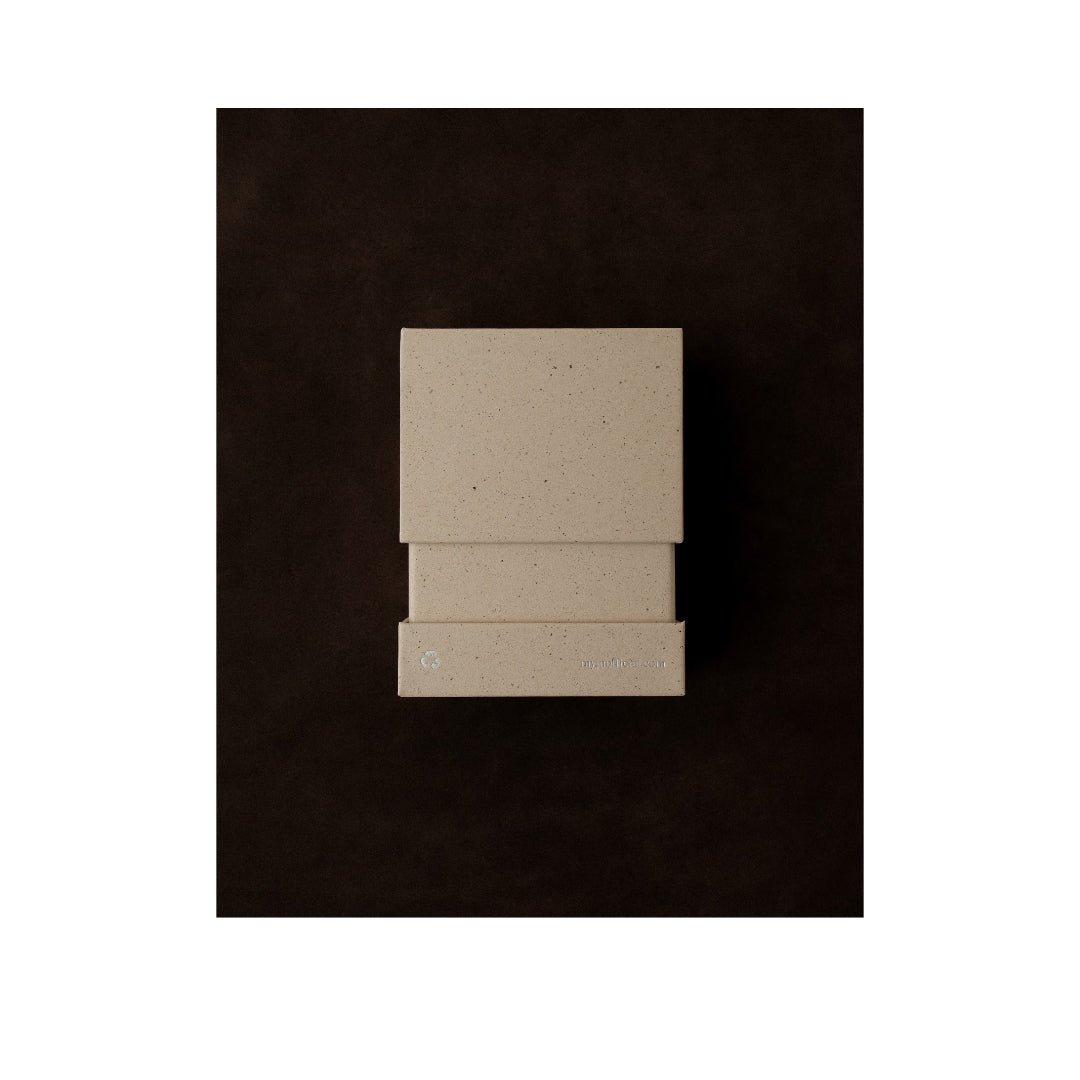
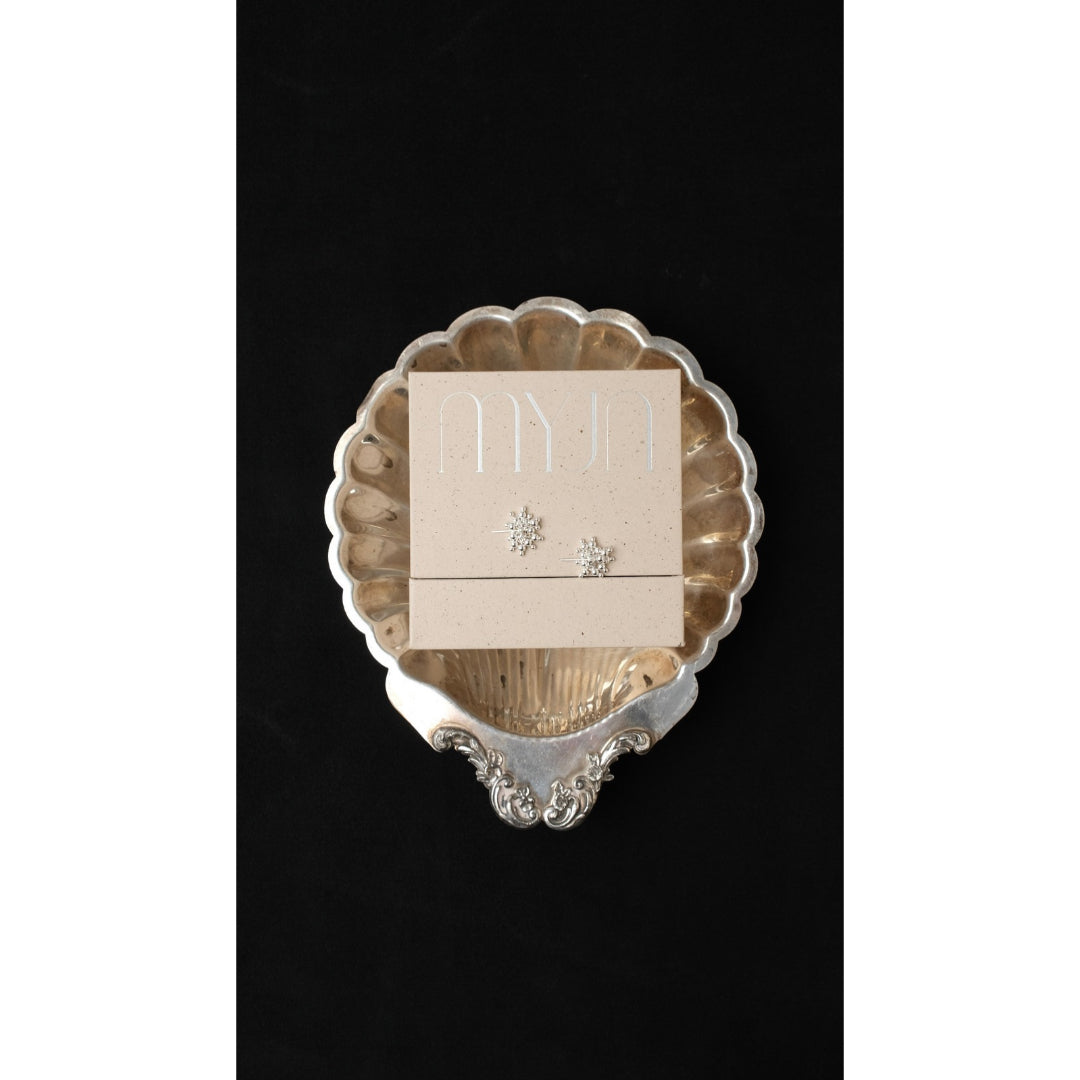
Cacao, where it began. The bean is processed and its shell comes away, a thin skin that spent its whole existence protecting what grew inside it and is then simply removed. We kept thinking about that shell. Dried, milled and folded back into paper, it makes a pale sheet warm before you can say why, the husk showing as dark flecks. The wordmark is pressed into the lid, not printed on it, so you find it the way you find a signature when you already love the painting.
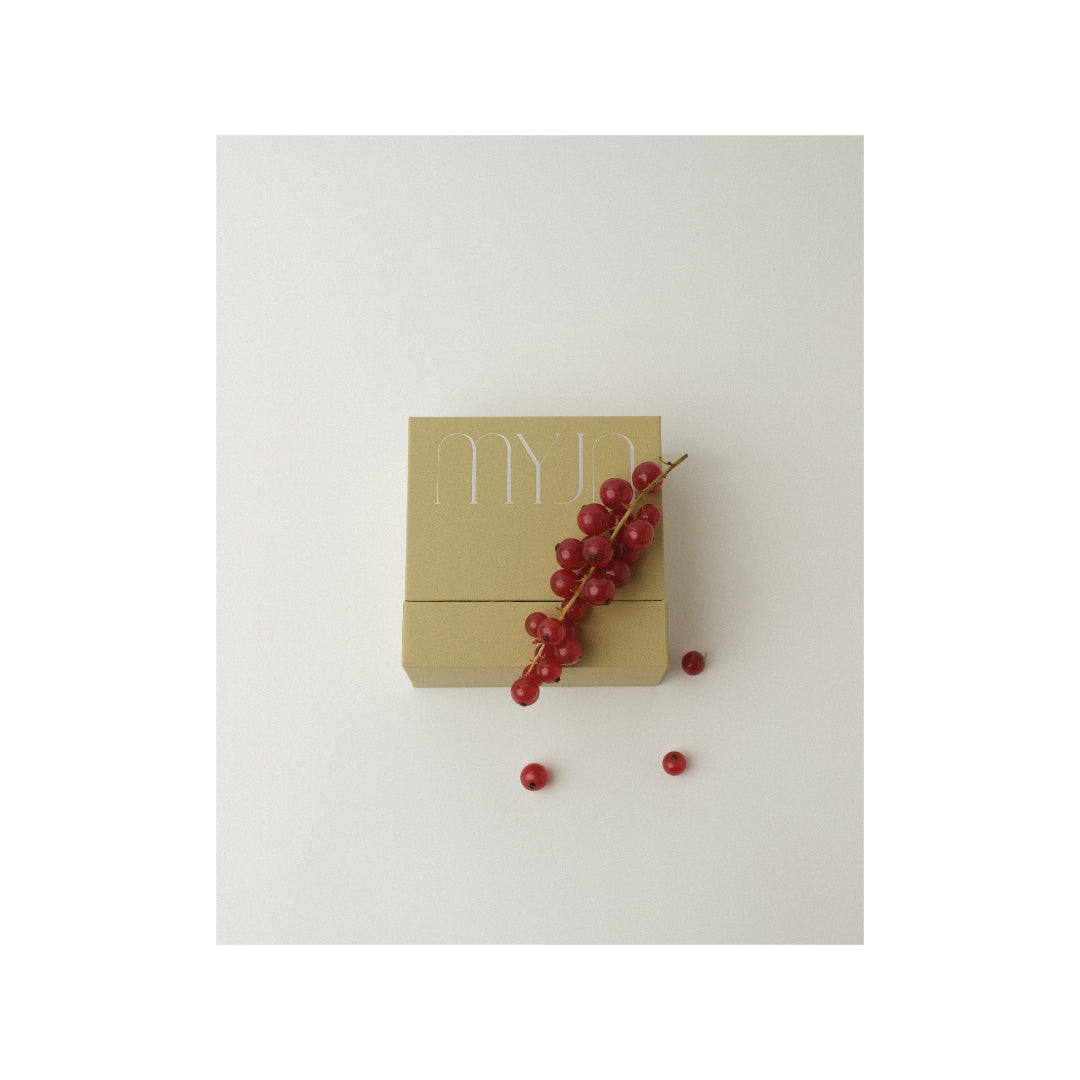
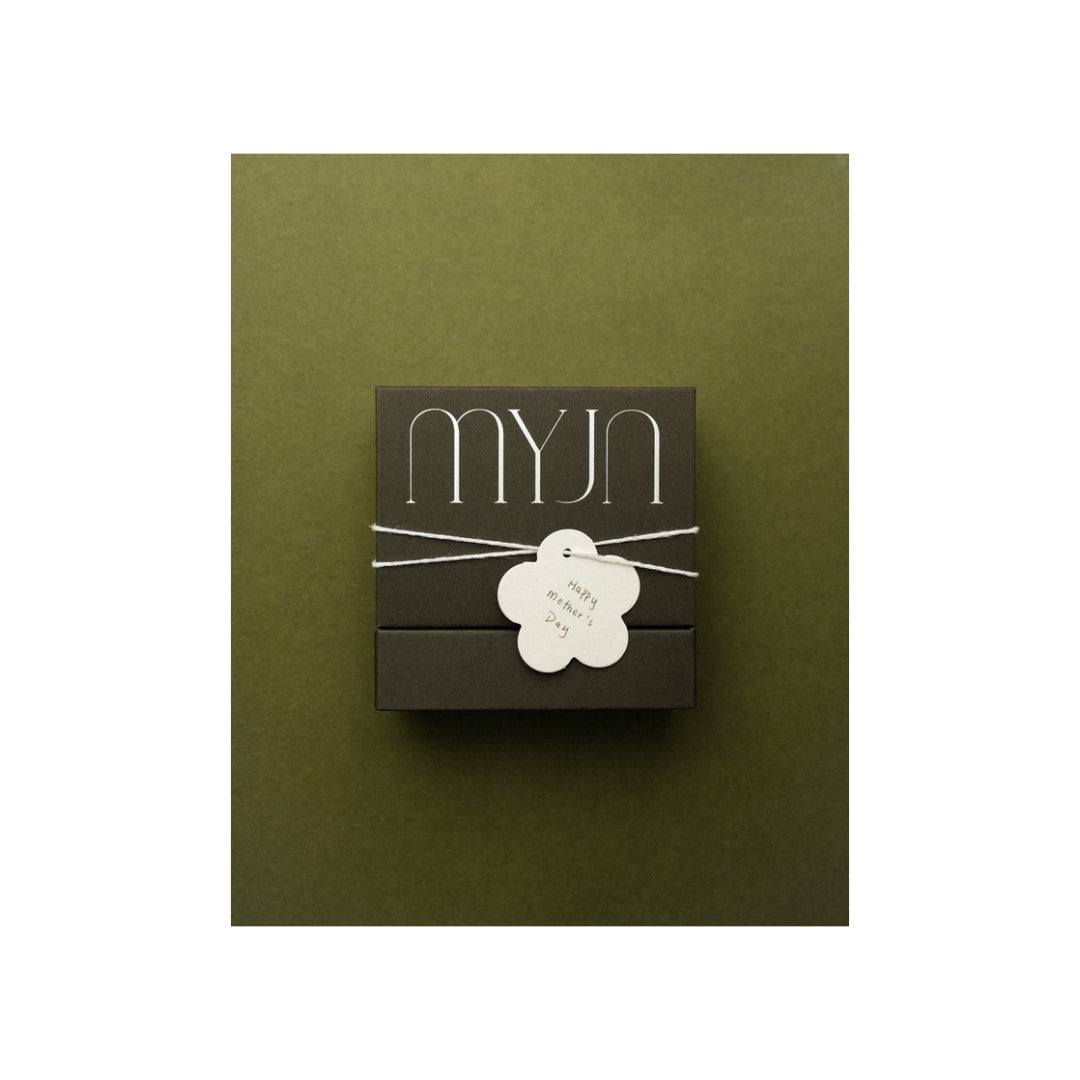
Olive, for the holidays. After the oil is pressed, and pressed again, what remains is peel, pulp and fragments of stone, dry and spent. The house collected it from there. The paper is a muted green, flecked, and it does not look manufactured; it looks like it came from somewhere. The scuffs and fingerprints it gathers over the years are not wear. They are a record of the life the box has been part of. A grove, carried forward.
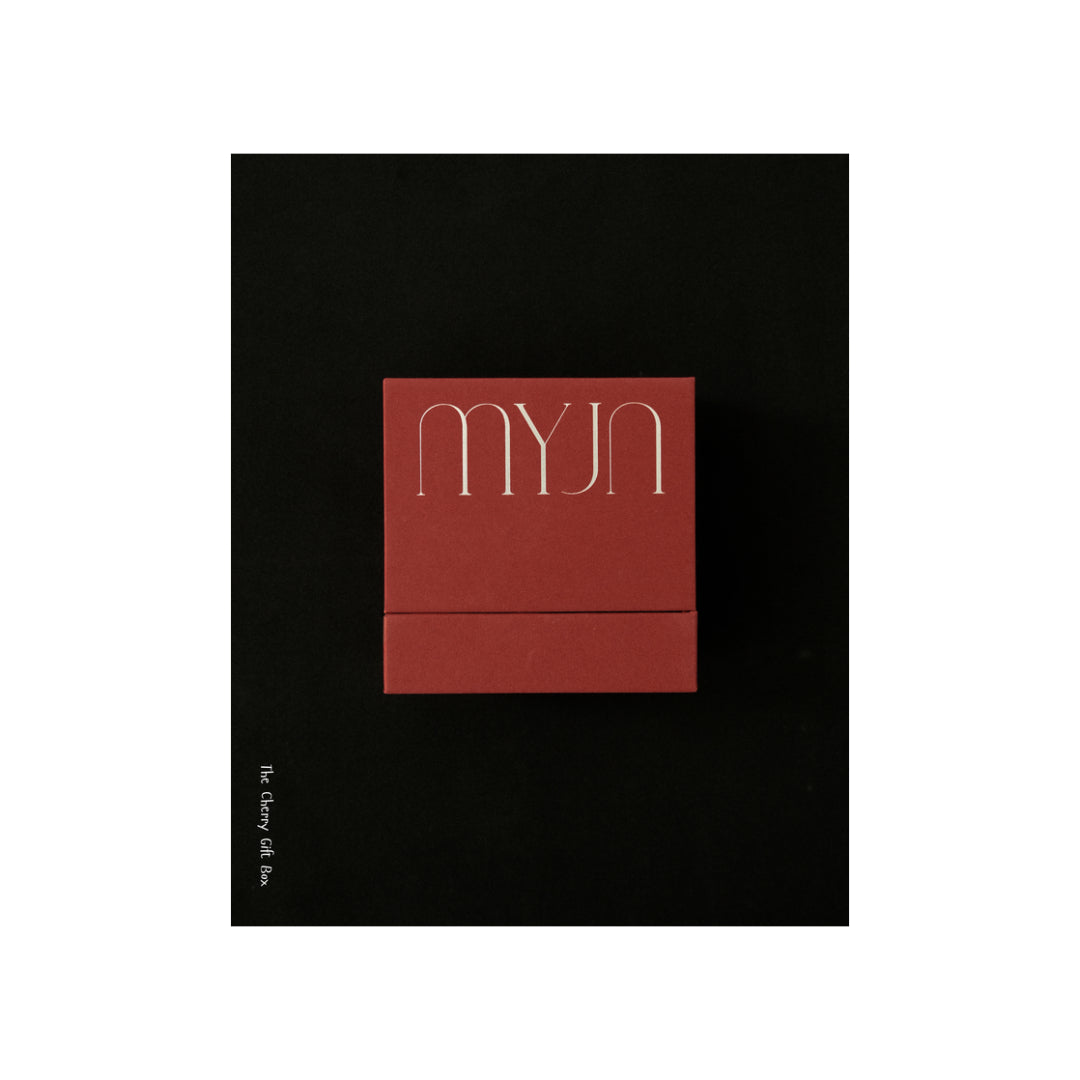
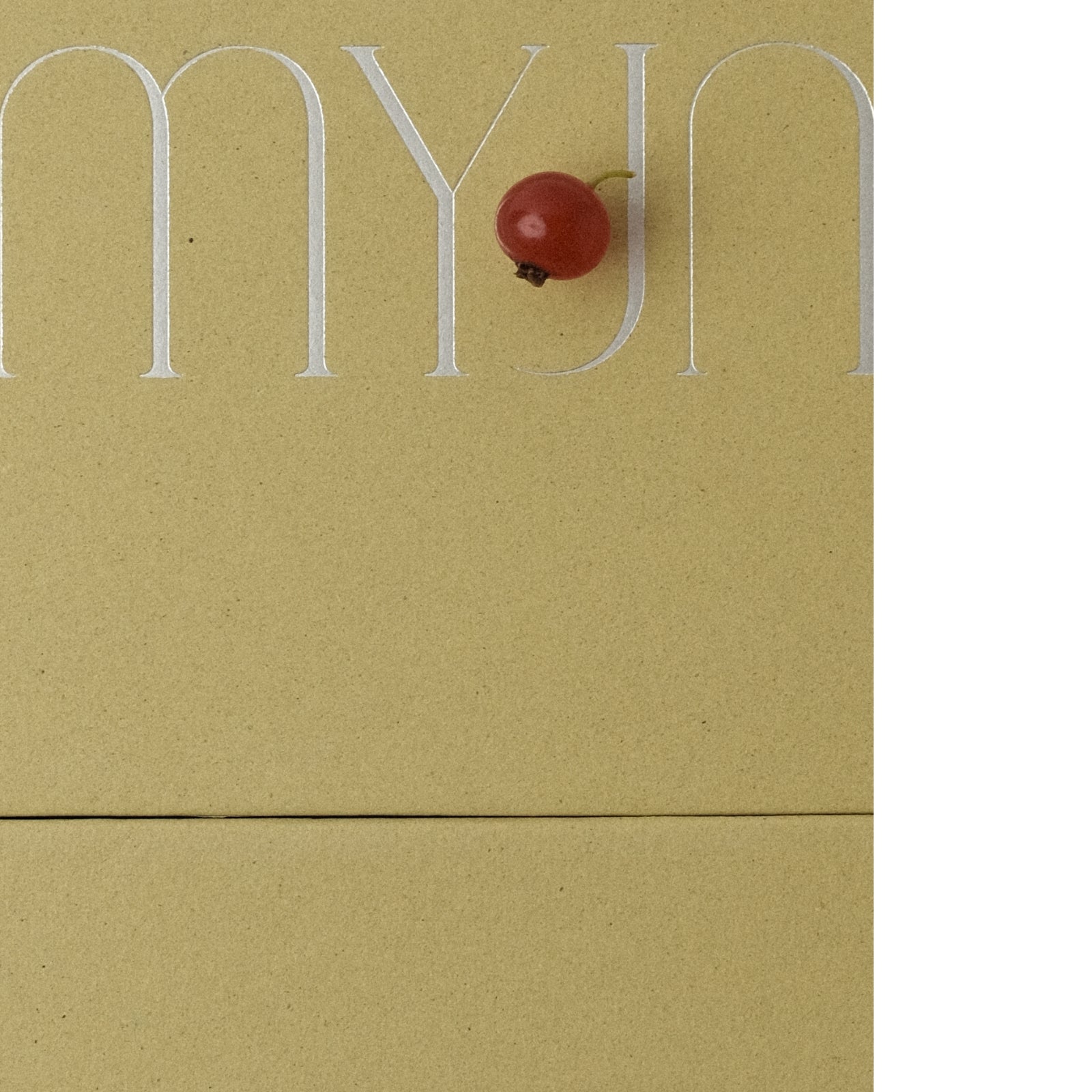
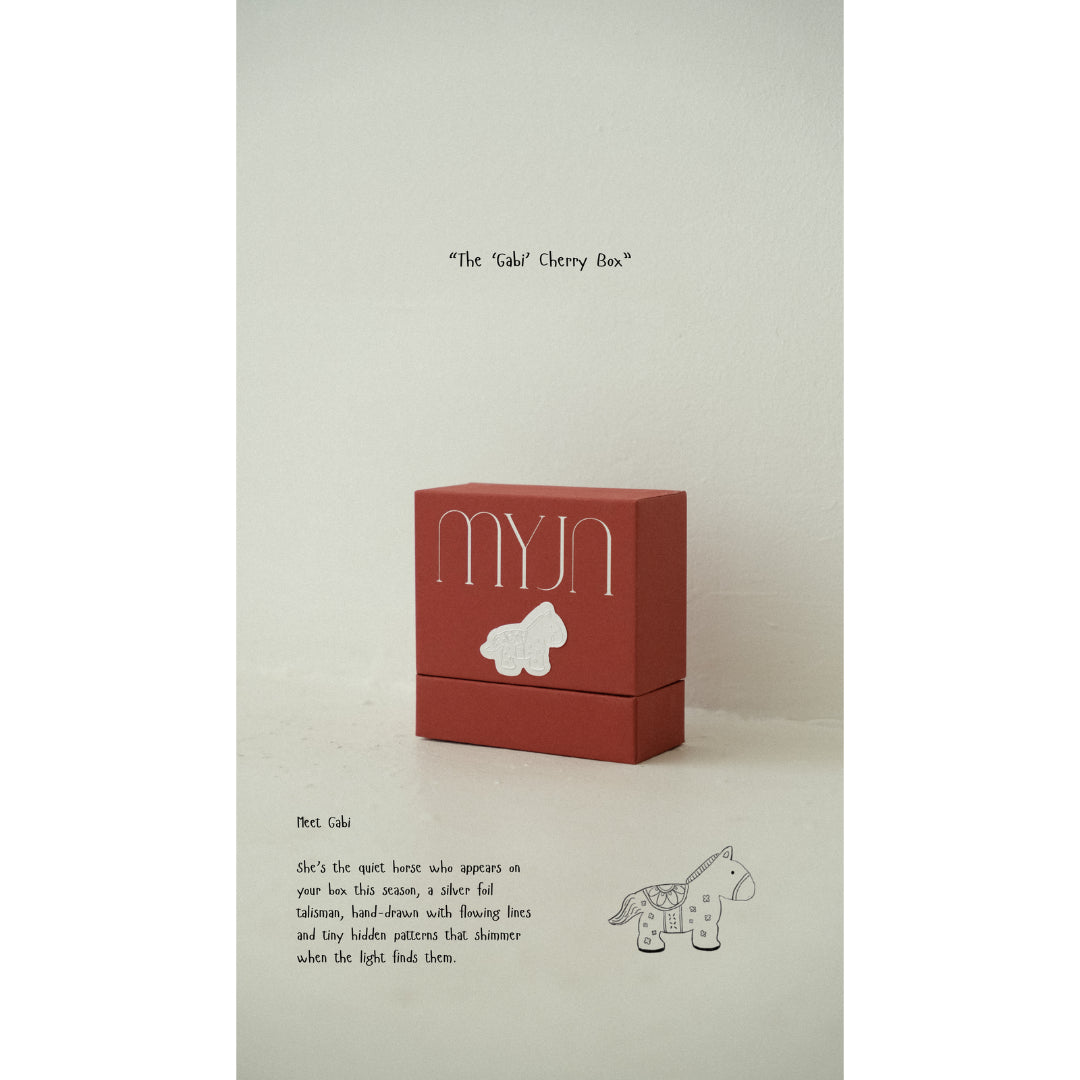
Cherry, for the new year. Cherries have the shortest season of anything. They come in a rush and are gone, into preserves and fillings that outlast the weeks that made them, and the stones are set aside with no obvious use. In the paper they become a red that runs around the sleeve and the drawer and reads differently by the hour, deep and quiet in low light, open in the sun. The box was not designed for the moment of receiving. It was designed for every morning after.
Espresso, for spring. When heat reaches the bean in the roaster, a thin membrane lifts away, the silverskin, darker than what it came from. It has been through the most transformative part of the whole process and gets none of the credit. In the paper it is a brown at the edge of black, the colour of a shot pulled correctly. The box was built for the morning ring, the piece worn so often it has become invisible in the best way. For the everyday that turns out, looking back, to have been everything.
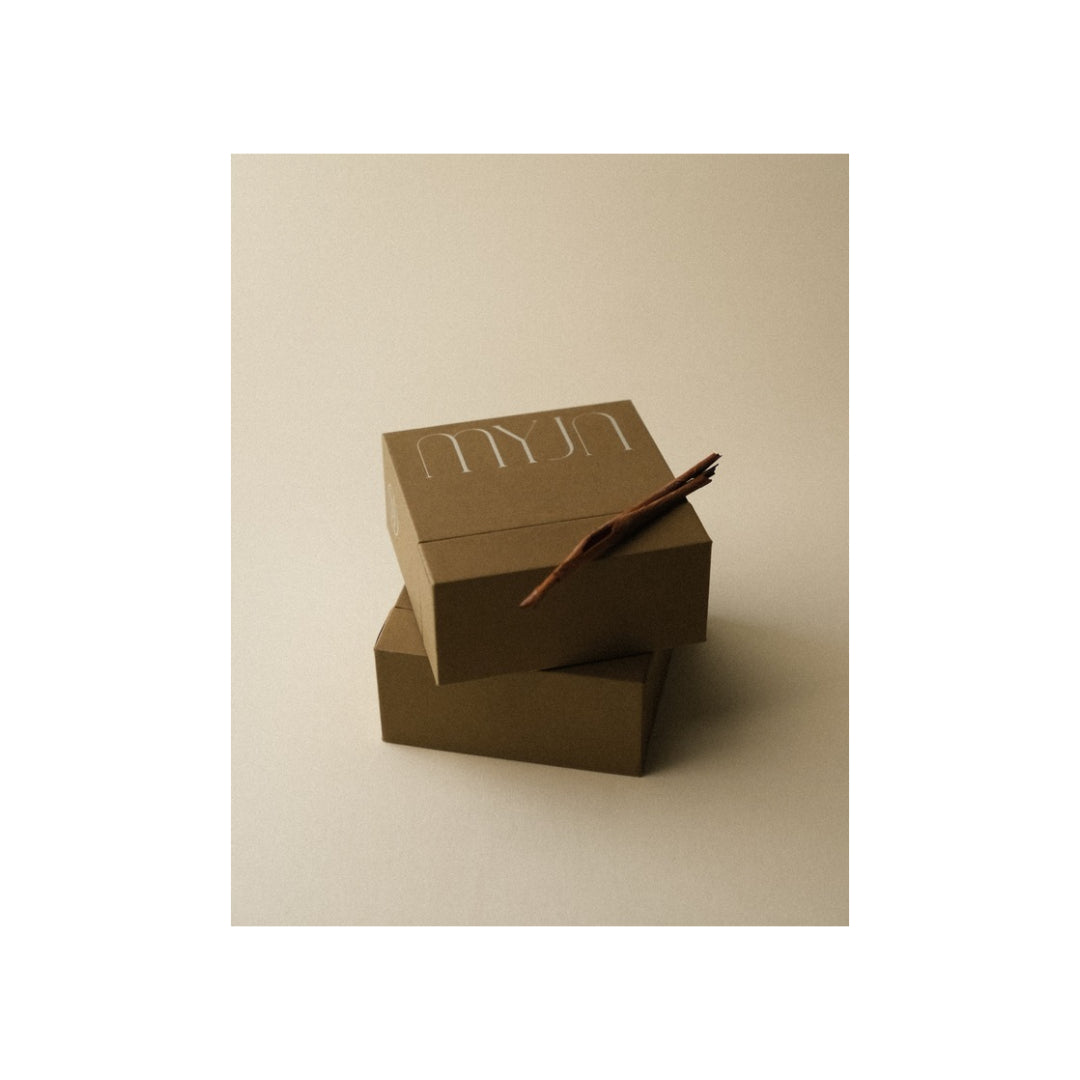
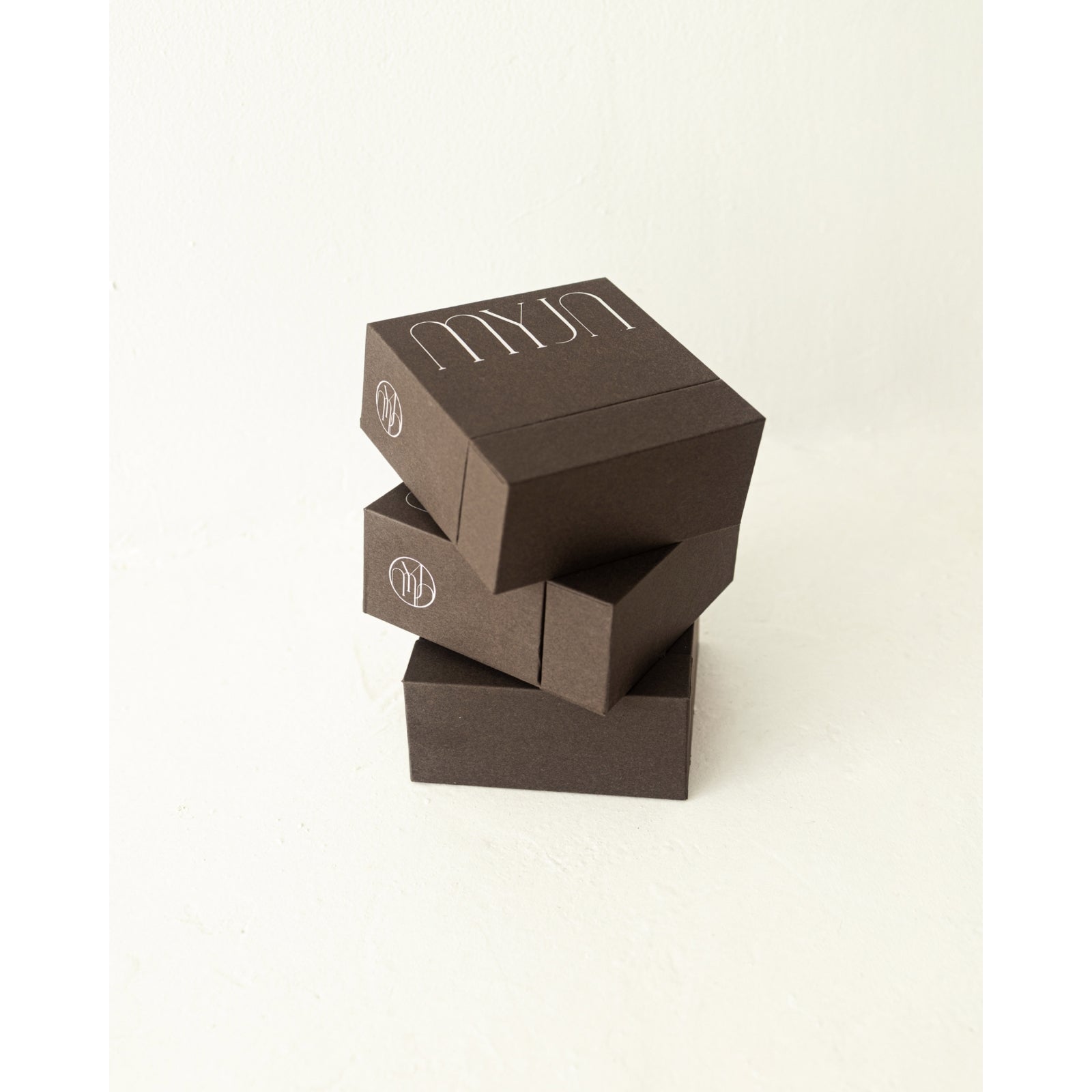
Tree Bark, for the house. The land around MYJN Galerie is a small living forest, many kinds grown into one another, a tualang standing tallest above the roofline. Through the months spent readying the rooms, the tree nearest the door kept shedding its bark, and we gathered the fallen pieces without quite knowing why. Bark is a tree's oldest protection; it cracks and lets go as the trunk widens. Not damage. Growth.
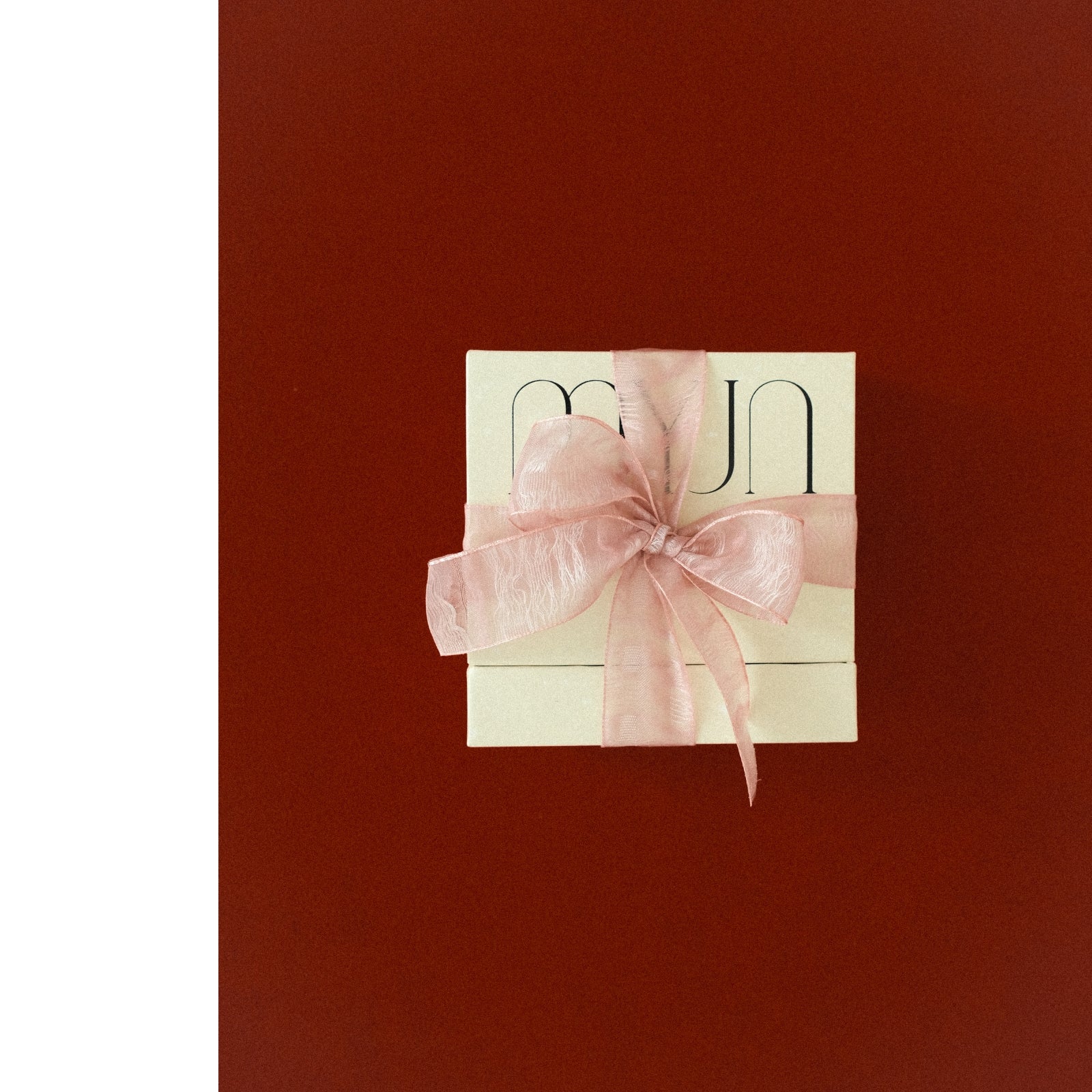
The House Collection was the first collection finished in this house, and the house got into it: the curve of fallen bark became the Ruhl hoops, the turn of the spiral staircase became the Erté studs. When it was time to choose the paper for its box, one sheet stopped us: warm brown, matte, flecked, the bark outside the door. It turned out to be made of hazelnut: the shell and skin stripped from each kernel after the harvest in Italy. The same gesture as the tree. A protective layer, its work finished, let go. Every edition is named for its harvest. This one asked for something else. The harvest is hazelnut. The name is Tree Bark. It was made for beginnings, and this season every order carries one, with the house's compliments. For someone opening a parcel far from Petaling Jaya, it is a small piece of the place where the collection began.
The same hands
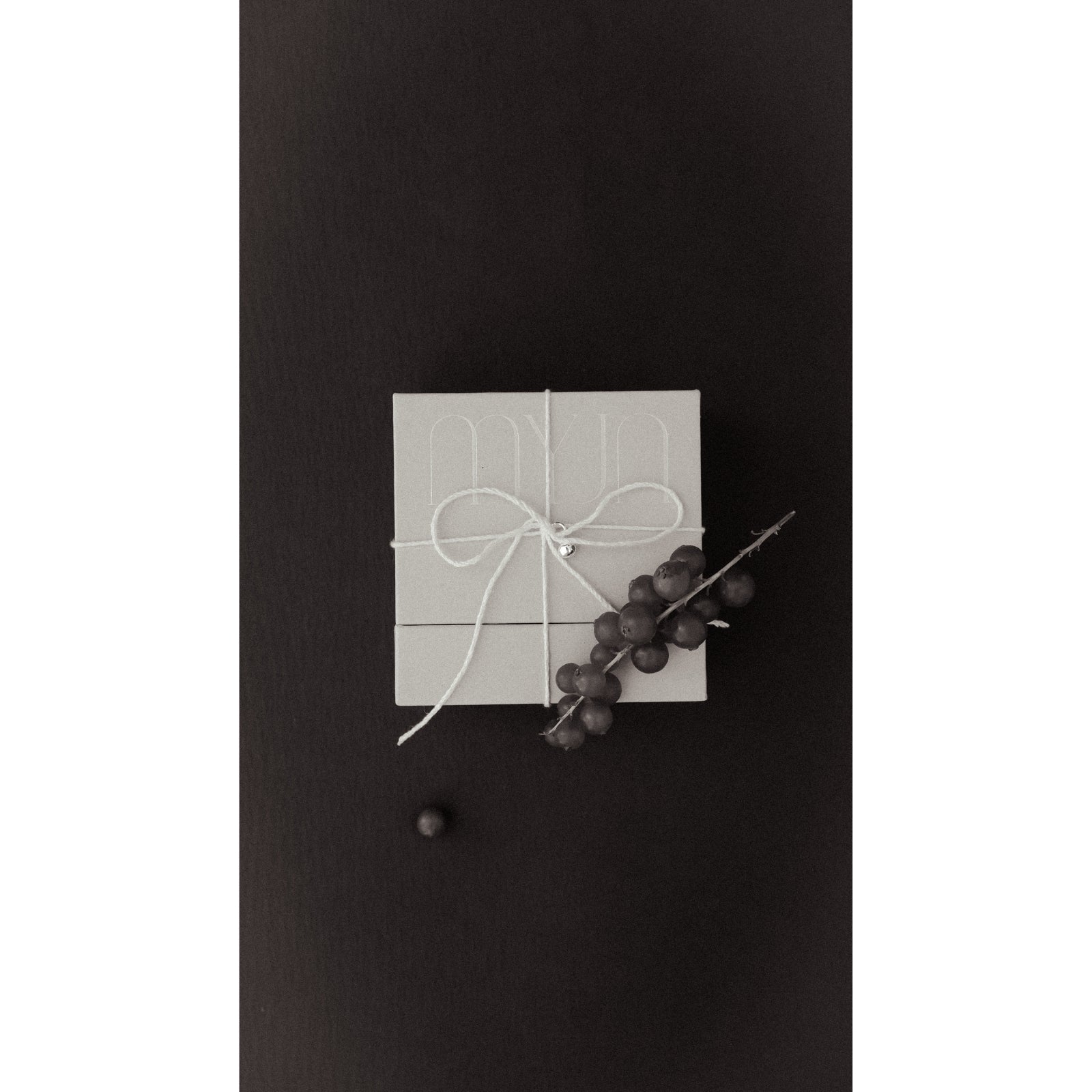
The boxes are made by the same sifu, year after year, who knows the earlier boxes as well as the one being made. Inside, a pouch so the piece touches nothing but cloth, a card that arrives blank unless you asked for words on it, and a kraft paper box around all of it. What else travels in the parcel, and the one thing in it that is still plastic, is said plainly on Practice.
Enough
Three or four pieces bought together travel in one box, not one box each. If you would rather not receive the season's box, say so in the order note or a message before the parcel is packed, and it will not be sent. A house that makes boxes to be kept would rather send none than one that is not wanted.
After the occasion
The box is made to stay on your desk after the jewellery has been put on and you have walked out of the door. To hold the ring you take off at the end of the day, a folded note, something small you want to find again. The box becomes yours through use, and the more it is used the more it belongs. If one day it is truly done, it is paper, all of it, and goes with the paper. A box that is kept is not waste, and that one sentence is the house's whole position on the matter.
The box was never the packaging. It was the first thing of ours you were meant to keep.